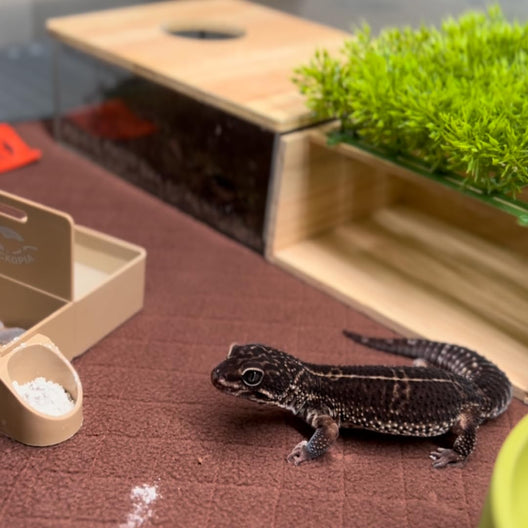
Welcome to Geckopia, your trusted destination for exclusive reptiles and premium products designed specifically for your scaly companions. Whether you’re shopping Geckopia for the first time or you’re a returning enthusiast, the Geckopia community is dedicated to helping you provide the best care possible for your pets.
Creating the perfect habitat for your leopard gecko isn’t just about looks—it’s crucial for their long-term health and happiness. A well-designed enclosure replicates their natural surroundings, minimizes stress, and encourages these fascinating creatures to exhibit their instinctive behaviors. When your gecko’s home fulfills their biological requirements, you’ll observe a lively, energetic pet with vibrant colors and a hearty appetite.
This comprehensive guide will walk you through the key elements of constructing an ideal leopard gecko habitat. We’ll discuss practical advice and expert suggestions that simplify habitat setup and make it enjoyable, covering everything from choosing the right enclosure available at Geckopia to regulating temperature gradients. Let’s turn your gecko’s living area into a cozy haven where they can thrive.
Understanding Leopard Geckos and Their Natural Habitat
Leopard geckos (Eublepharis macularius) are fascinating desert reptiles that have captured the hearts of reptile enthusiasts worldwide. These hardy lizards originate from the arid regions spanning across Afghanistan, India, Pakistan, Iran, and Nepal, where they’ve adapted to survive in challenging environmental conditions.
Where Do Leopard Geckos Live?
In their natural habitat, leopard geckos inhabit dry deserts and rocky grasslands characterized by extreme temperature fluctuations and sparse vegetation. During scorching days, they seek refuge under rocks, in crevices, and within abandoned burrows to escape the intense heat. As the sun sets and temperatures drop, these crepuscular creatures emerge to hunt for insects and explore their territory.
Why Is This Information Important?
Understanding these leopard gecko facts about their wild environment is essential for replicating appropriate conditions in captivity. The rocky terrain of their native lands provides numerous hiding spots, which explains why captive geckos require multiple hides to feel secure. The dramatic temperature variations between day and night in desert regions inform the heating requirements we’ll need to establish in their enclosures.
The sparse, dry landscape also reveals why leopard geckos have evolved to store fat in their distinctive thick tails—a survival mechanism for times when food becomes scarce. Their ground-dwelling nature and preference for rocky substrates rather than loose sand directly influences the type of flooring materials we should provide. By understanding where these remarkable creatures come from, we can better appreciate their specific needs and create an environment where they’ll truly thrive.
Choosing the Right Enclosure for Your Gecko
Selecting the proper gecko enclosure sets the foundation for your leopard gecko’s long-term health and happiness. At Geckopia, we recommend glass terrariums and aquariums, as they work exceptionally well by offering clear visibility while maintaining the controlled environment these reptiles need. The transparency allows you to observe your gecko’s behavior and quickly spot any potential health concerns.
Terrarium Size Requirements
The minimum space requirement starts at 10 gallons for a single adult leopard gecko, though this should be considered the absolute baseline. A 20-gallon tank provides significantly better living conditions, giving your gecko room to establish distinct temperature zones, explore, and exhibit natural behaviors. Larger enclosures reduce stress and allow for more enrichment opportunities.
For multiple geckos, increase the terrarium size accordingly—never house males together, as they become territorial and aggressive.
The Critical Role of a Secure Lid
A mesh or wire screen lid isn’t optional; it’s essential safety equipment. These secure lids serve multiple protective functions:
- Escape prevention: Leopard geckos are surprisingly adept climbers despite their ground-dwelling nature
- Pet protection: Cats, dogs, and other household animals pose serious threats to geckos
- Pest control: Prevents unwanted insects or rodents from entering the habitat
- Ventilation: Maintains proper airflow without compromising security
The lid should fit snugly with no gaps larger than the gecko’s head. Weighted or locking lids provide extra security in homes with curious pets or children.
Selecting the Optimal Substrate
The foundation of your leopard gecko’s enclosure plays a significant role in their daily comfort and long-term health. Choosing the right reptile substrate requires careful consideration of both safety and functionality.
Recommended Substrate Options:
- Bioactive soil – Specially formulated for reptiles, this substrate supports beneficial bacteria and creates a naturalistic environment that mimics their native habitat
- Large rocks and gravel – These materials provide excellent traction and allow for easy spot-cleaning while maintaining a desert-like appearance
- Paper bedding – An economical and hygienic option that simplifies maintenance and allows you to monitor your gecko’s waste easily
- Reptile carpet – Reusable and safe, this textured material prevents ingestion while providing secure footing
When shopping at Geckopia for safe bedding for geckos, you’ll find various substrate options tailored to leopard gecko needs. The selection process should prioritize your pet’s safety above aesthetic preferences.
Critical Warning About Sand:
Sand substrates pose a serious health risk to leopard geckos. These animals often ingest substrate particles while hunting prey, and sand can accumulate in their digestive tract, leading to impaction—a potentially fatal blockage. Despite sand’s visual appeal in creating a desert aesthetic, the medical risks far outweigh any decorative benefits. Veterinary professionals consistently advise against loose particle substrates for leopard geckos, particularly juveniles who are more prone to accidental ingestion during feeding.
Managing Temperature and Lighting Conditions in Your Gecko’s Habitat
Understanding gecko temperature needs is essential for keeping your leopard gecko healthy and active. At Geckopia, we recognize that these desert-dwelling reptiles rely on external heat sources to regulate their body temperature. This makes proper thermal management a non-negotiable aspect of their care.
Creating the Right Temperature Zones
Your leopard gecko’s enclosure requires distinct temperature zones to allow natural thermoregulation:
- Warm side: Maintain ambient temperatures between 85–90°F
- Cool side: Keep temperatures around 75–80°F during the day
- Basking area temperature: Provide a focused hot spot reaching 90°F where your gecko can absorb concentrated heat
- Nighttime temperatures: Allow the enclosure to cool to the low-to-mid 70s°F, replicating the natural temperature drop in their native habitat
Strategic Heat Source Placement
Position heat lights or under-tank heating pads on one side of the enclosure to establish the necessary temperature gradient. Place thermometers at multiple locations—one near the basking spot, one on the cool side, and one at mid-level—to accurately monitor conditions throughout the habitat. Digital thermometers with probes offer the most reliable readings and help you make quick adjustments when needed.
The Role of UVB Lighting for Reptiles
While leopard geckos are crepuscular (most active during dawn and dusk), they still benefit from low-level UVB lighting for reptiles. A 5% UVB bulb positioned at the appropriate distance supports calcium absorption and promotes healthy bone development. Run the UVB light for 10–12 hours daily to simulate natural day-night cycles. This supplemental lighting works alongside proper calcium supplementation to prevent metabolic bone disease and support your gecko’s skeletal health.
Controlling Humidity Levels Properly in Your Gecko’s Habitat
Humidity for leopard geckos plays a vital role in their ability to shed skin properly and maintain respiratory health. These desert-dwelling reptiles require relatively low humidity levels between 30-40% in most areas of their enclosure. During shedding periods, creating a slightly more humid microclimate within their moist hide becomes essential to prevent stuck shed, which can lead to circulation problems and toe loss.
A hygrometer serves as your most reliable tool for monitoring moisture levels accurately. Place this device in the middle zone of the enclosure—not too close to water dishes or moist hides, which can give false readings. Digital hygrometers provide more precise measurements compared to analog versions and allow you to track humidity patterns throughout the day.
To maintain ideal conditions:
- Position a shallow water dish on the cool side of the tank
- Create a humid hide using damp sphagnum moss or paper towels
- Avoid misting the entire enclosure, which can raise humidity too high
- Check hygrometer readings daily to ensure consistency
Providing Appropriate Hides and Enrichment in Your Gecko’s Habitat
Leopard geckos are naturally secretive creatures that require safe spaces to retreat and feel secure. Your gecko needs at least three hides strategically placed throughout the enclosure to support their behavioral needs and thermoregulation.
The Three Essential Hides:
- Warm hide – Position this near your heat source where temperatures reach 88-90°F. This spot allows your gecko to digest food efficiently while feeling protected.
- Cool hide – Place this on the opposite side of the enclosure where temperatures remain around 75-80°F, giving your gecko a place to cool down when needed.
- Moist hide – Fill this with damp sphagnum moss or paper towels to create a humid microenvironment that aids in the shedding process.
When Shopping Geckopia for reptile hides, you’ll find various options to suit your setup. Ceramic caves offer durability and natural aesthetics while maintaining stable temperatures. Resin hides come in creative designs that add visual interest to your enclosure. Stone hides provide authentic texture and excellent heat retention.
Budget-conscious keepers can create effective DIY hides using:
- Cardboard boxes with entrance holes cut into the sides
- Plastic containers lined with paper towels
- Cork bark pieces arranged to form caves
- Stacked flat stones secured with aquarium-safe silicone
Regardless of material choice, ensure all hides are appropriately sized—your gecko should fit comfortably inside with their body touching the walls, as this contact provides the security they instinctively seek.
Essential Feeding Practices for Leopard Geckos in Captivity
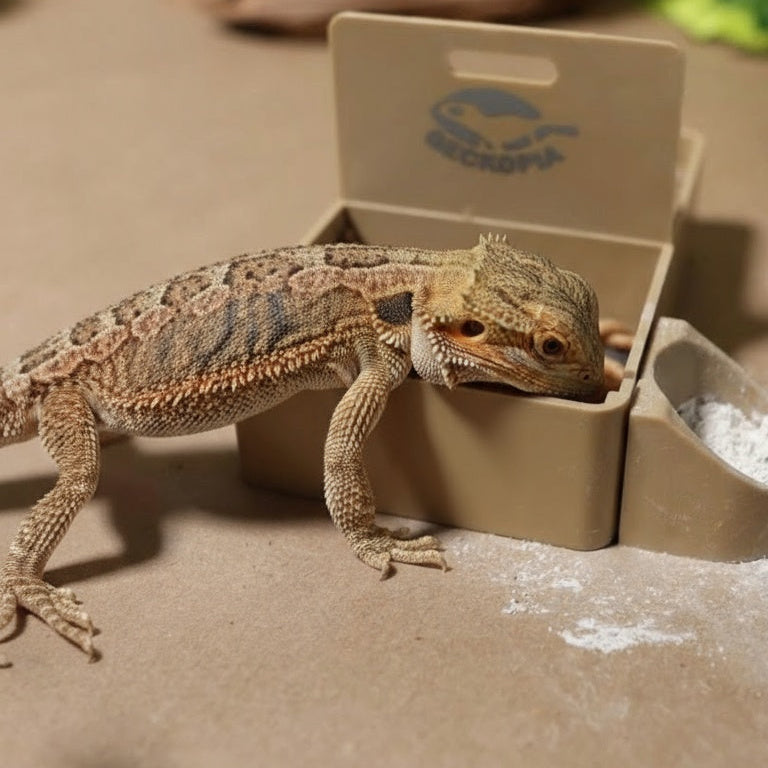
Feeding leopard geckos requires understanding their insectivorous nature and nutritional needs. These reptiles thrive on a diet of live insects, which stimulates their natural hunting instincts and provides essential nutrients.
Primary Food Sources
Your leopard gecko’s diet should consist of:
- Crickets – A staple feeder insect that provides excellent nutrition and movement to trigger hunting behavior
- Mealworms – High in protein and readily accepted by most geckos
- Dubia roaches – Nutrient-dense option with an ideal calcium-to-phosphorus ratio
Adult leopard geckos typically eat every 2-3 days, while juveniles require daily feeding. Offer appropriately sized insects—nothing larger than the space between your gecko’s eyes—to prevent choking hazards.
The Critical Role of Calcium Supplementation
Calcium supplements for reptiles are non-negotiable when feeding leopard geckos. At Geckopia, we recommend dusting feeder insects with calcium powder containing vitamin D3 before each feeding. This practice prevents metabolic bone disease, a serious condition that can lead to skeletal deformities and organ failure.
Create a dusting routine by placing insects in a container with calcium powder and gently shaking until they’re lightly coated. The white coating should be visible but not excessive. Keep a small dish of calcium powder in the enclosure as well, allowing your gecko to self-supplement as needed.
Gut-loading insects 24 hours before feeding—providing them with nutritious foods like leafy greens and vegetables—enhances the nutritional value your gecko receives.
Heating Solutions Tailored Specifically For Leopard Gecko Physiology at Geckopia
Leopard geckos have a unique feature that distinguishes them from many other reptiles: they primarily absorb heat through their bellies instead of basking under direct light. This biological trait makes under-tank heater benefits especially important for their care. These specialized heating devices are attached to the bottom of the enclosure, creating a warm surface that allows your gecko to naturally regulate its body temperature by positioning itself over the heated area.
Under-Tank Heater (UTH)
An under-tank heater (UTH) should cover approximately one-third of the enclosure’s floor space. This setup creates distinct temperature zones, giving your gecko the freedom to move between warmer and cooler areas based on its thermoregulation needs. The heated section becomes an ideal spot for digestion, as leopard geckos require belly heat to properly process their food.
Heat Mats
Heat mats offer another effective solution when placed underneath one side of the tank. These flexible heating pads distribute warmth evenly across the designated area and work particularly well in glass terrariums. Position the mat so it extends from one end of the enclosure, leaving the opposite side unheated to maintain that crucial temperature gradient.
Ceramic Heat Emitters
Some keepers find that ceramic heat emitters positioned above basking areas provide supplemental warmth when needed. These bulbs emit heat without light, making them suitable for nighttime use without disrupting your gecko’s natural day-night cycle. Ceramic bulbs work especially well in larger enclosures or cooler room environments where additional heating becomes necessary.
Important Safety Tip for Geckopia
Always pair any heating element with a reliable thermostat to prevent overheating. Place a thermometer probe directly on the warm surface to ensure temperatures remain within the safe range of 88-92°F for the hot spot.
Maintenance Tips And Best Practices From Geckopia Experts For Keeping Your Gecko’s Habitat Healthy Over Time
At Geckopia, we understand the importance of maintaining a healthy environment for your gecko. Here are some essential tips and best practices to ensure their habitat remains in top condition over time.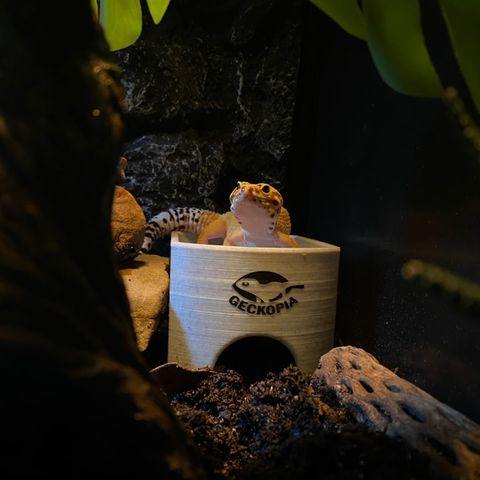
Maintaining a clean environment requires consistent attention to detail and a proactive approach to reptile habitat maintenance. Daily spot cleaning prevents the buildup of waste and bacteria that could harm your gecko’s health. Remove feces, uneaten insects, and shed skin as soon as you notice them to keep the enclosure fresh.
Weekly Deep Cleaning Schedule
- Remove your gecko to a secure temporary container
- Replace paper towel bedding completely or clean reptile carpet thoroughly with reptile-safe disinfectant
- Wipe down all surfaces, hides, and decorations with a diluted bleach solution (1:10 ratio) or commercial reptile habitat cleaner
- Rinse everything thoroughly and allow to dry completely before reassembling
Paper towel bedding simplifies this process significantly. The absorbent material makes spotting waste effortless, and complete substrate changes take mere minutes rather than the extensive cleaning required with loose substrates.
Environmental Parameter Monitoring in Geckopia
Check temperature readings twice daily—once in the morning and again in the evening. Digital thermometers with probes provide the most accurate readings at different enclosure levels. Record these measurements in a simple log to identify patterns or equipment malfunctions before they become problematic.
Humidity levels deserve equal scrutiny. Use a reliable hygrometer and check readings during your daily feeding routine. Sudden spikes often indicate water bowl spills or inadequate ventilation, while drops may signal the need for light misting in the moist hide.
When shopping at Geckopia for maintenance supplies, stock up on replacement bulbs, backup thermometers, and cleaning products. Having these essentials on hand prevents scrambling during equipment failures. Replace heat sources every six months regardless of whether they appear functional, as their effectiveness diminishes over time even when still producing visible light.
Conclusion
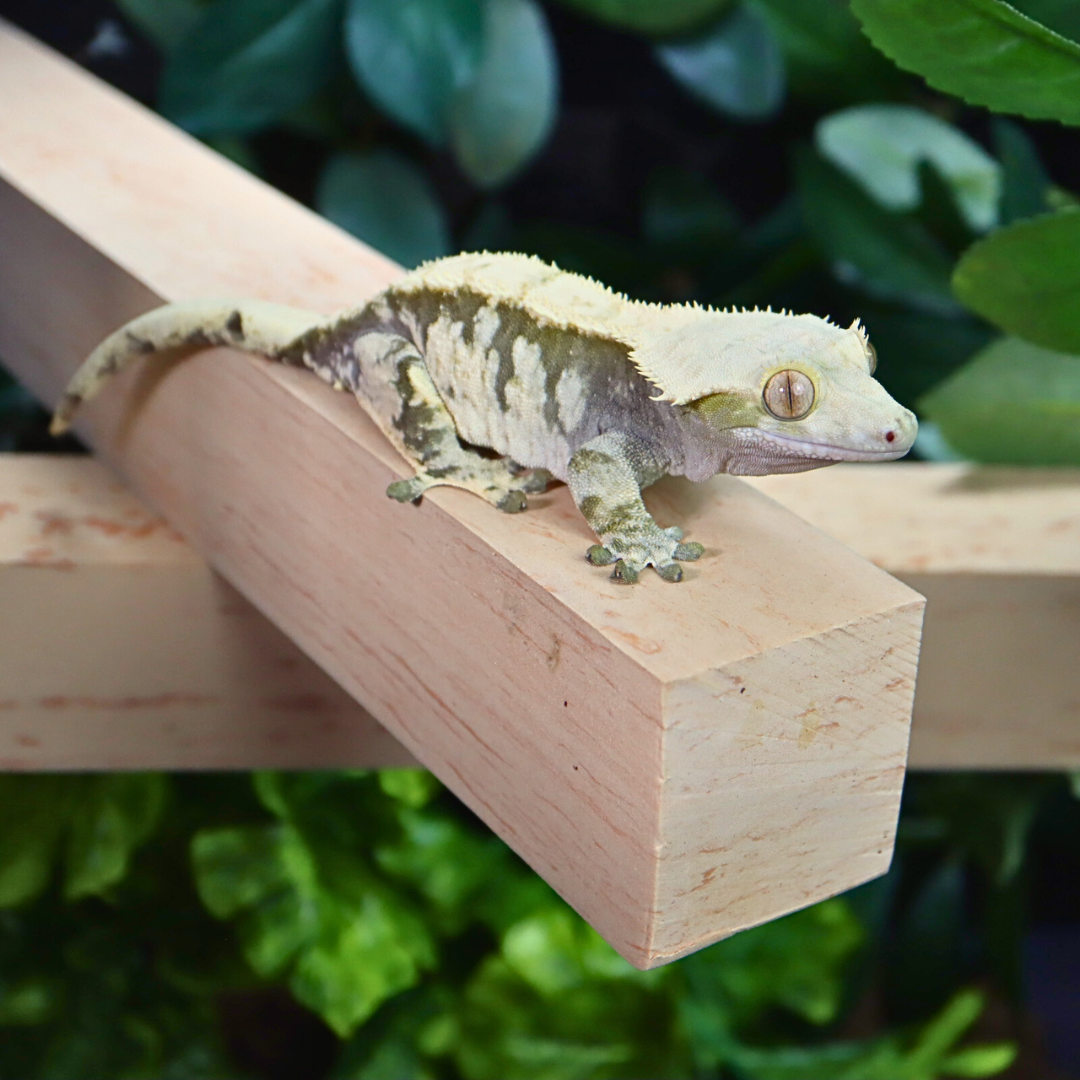
Creating a perfect leopard gecko habitat requires attention to detail and commitment to your pet’s specific needs. From selecting the right enclosure size to maintaining proper temperature gradients, each element plays a vital role in your gecko’s health and happiness. The natural desert environment of these remarkable creatures guides every decision—from substrate choices to humidity control.
Shopping Geckopia provides access to quality products and expert guidance to help you build and maintain an ideal living space for your leopard gecko. Whether you’re setting up your first enclosure or upgrading an existing habitat, the right supplies make all the difference.
Your gecko depends on you to recreate the conditions they need to thrive. By implementing the strategies outlined in this guide—proper heating, appropriate hides, correct substrate, and consistent maintenance—you’ll create a space where your leopard gecko can live a long, healthy life. Start building your gecko’s dream home today with the specialized products and support available through Geckopia.
READ MORE: pawposia.com