Introduction
Leopard geckos are one of the most popular pet lizards among reptile lovers around the world, including those at Geckopia. Their friendly nature, small size, and stunning spotted patterns make them a perfect choice for both new and experienced reptile owners. These resilient creatures can live for 10-20 years in captivity with proper care, making them a long-term companion that brings joy and wonder to any home.
Proper care is essential for a healthy and happy leopard gecko. Knowing their specific needs, such as temperature requirements and dietary preferences, directly affects their well-being and lifespan. A well-cared-for leopard gecko has bright colors, a good appetite, and natural behaviors that show they are content.
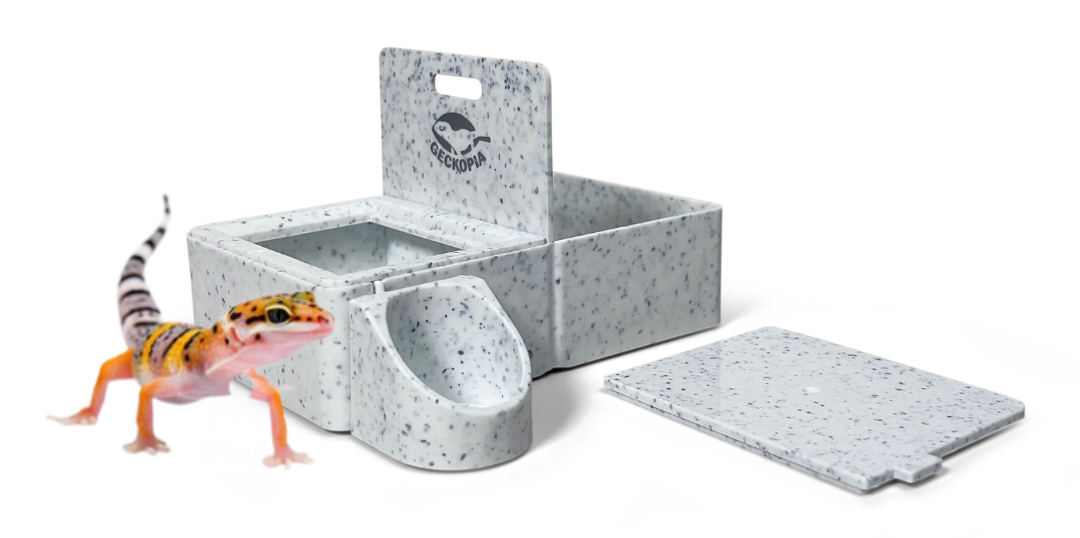
When it comes to taking care of leopard geckos, having access to reliable reptile care products is crucial. Geckopia, a trusted brand in the reptile community, stands out by offering high-quality products specifically made for geckos. From nutritional supplements to habitat essentials like the best reptile bowls and hides, Geckopia understands the unique needs of these amazing creatures. Pet owners consistently review Geckopia positively for their commitment to excellence and their specialized approach to gecko care, making them a go-to resource for anyone serious about providing the best for their leopard gecko.
Understanding Leopard Gecko Biology and Behavior at Geckopia
Leopard gecko biology reveals why these creatures have captivated reptile enthusiasts for decades. Native to the arid regions of Afghanistan, Pakistan, and India, these nocturnal hunters possess eyelids—a rare feature among geckos—and lack the adhesive toe pads found in their tree-dwelling relatives. Their spotted patterns serve as camouflage in rocky terrain, while their robust bodies and thick tails store essential fat reserves for survival during lean periods.
The life cycle of leopard geckos spans 10-20 years in captivity, with distinct developmental stages. Hatchlings emerge at 3-4 inches and reach sexual maturity between 8-12 months of age, weighing approximately 45 grams. Males develop prominent femoral pores and hemipenal bulges, while females maintain a sleeker appearance.
The Ovulation Cycle in Leopard Geckos
The ovulation cycle in leopard geckos plays a significant role in female behavior and physiology. During breeding season—typically January through September—females experience hormonal fluctuations that trigger egg development. This cycle occurs every 2-4 weeks when conditions are optimal.
Behavioral Changes During Ovulation
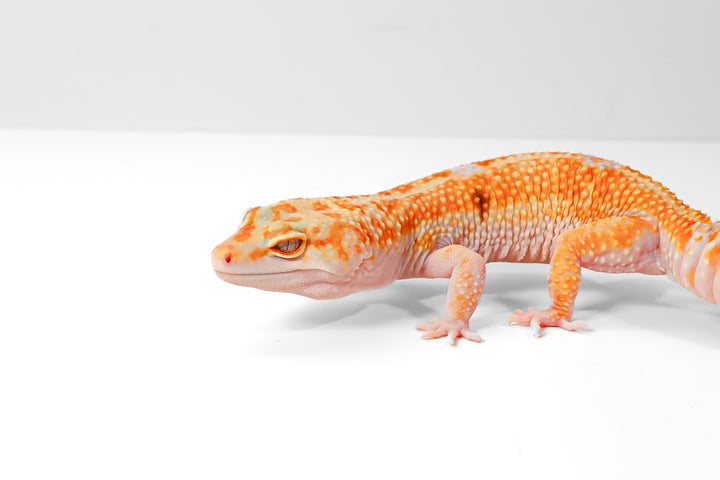
Behavioral changes during ovulation manifest in several ways:
- Increased restlessness and pacing within the enclosure
- Reduced appetite or complete food refusal for 1-2 weeks
- Digging behavior as they search for suitable nesting sites
- Heightened territorial responses toward cage mates
- Visible abdominal swelling as eggs develop
These natural patterns require attentive observation to distinguish normal reproductive behavior from potential health concerns.
Identifying and Managing Appetite Loss in Leopard Geckos at Geckopia
Loss of appetite in leopard geckos can concern even experienced reptile keepers, yet understanding the underlying causes helps distinguish between normal behavior and potential health issues. Female geckos particularly experience appetite fluctuations tied to their reproductive cycles, with hormonal shifts during breeding season naturally suppressing their interest in food. Environmental stressors, improper temperatures, or recent habitat changes can also trigger temporary feeding pauses.
Common Causes of Appetite Changes:
- Breeding season hormones – Female geckos may refuse food for several weeks during ovulation
- Shedding cycles – Many geckos eat less 24-48 hours before shedding begins
- Temperature irregularities – Inadequate heat prevents proper digestion
- Stress from handling – Excessive interaction disrupts normal feeding patterns
- Seasonal variations – Wild instincts may reduce winter appetite
Supporting your gecko through these periods requires patience and strategic adjustments. Offer live prey items of varying sizes, as movement often stimulates hunting instincts even in reluctant eaters. Waxworms or hornworms serve as occasional high-value treats that can reignite interest in food. Verify your heating setup maintains proper thermal gradients—a basking spot of 88-92°F and a cool side around 75°F enables efficient metabolism.
Monitor your gecko’s weight weekly during appetite loss. A 10% weight drop warrants veterinary consultation, while stable weight suggests natural behavioral patterns rather than illness.
Nutrition Essentials for Leopard Geckos
A well-planned diet is crucial for your leopard gecko’s long-term health and vitality. Their nutritional needs primarily consist of protein-rich insects, along with essential minerals and vitamins to prevent metabolic bone disease and support immune function.
The Importance of Calcium and Vitamin D3 in Geckopia
Calcium and vitamin D3 supplementation are the most important aspects of leopard gecko nutrition. Without enough calcium, these reptiles can develop weak bones, tremors, and serious health issues. Vitamin D3 is necessary for proper calcium absorption, making these two nutrients essential partners in your gecko’s diet.
Meeting Nutritional Needs
The best way to meet these nutritional requirements includes:
- Gut-loaded insects: Feed crickets, dubia roaches, or mealworms nutrient-dense foods 24 hours before offering them to your gecko
- Dusting schedule: Coat feeder insects with calcium powder containing D3 at every other feeding for juveniles, twice weekly for adults
- Pure calcium availability: Keep a small dish of calcium without D3 in the enclosure for self-supplementation
- Variety in prey items: Rotate between different insect types to provide a range of nutrients
Choosing Quality Supplements
Quality is crucial when selecting supplements. Brands like Geckopia specialize in formulations designed specifically for gecko biology, ensuring proper ratios of calcium to phosphorus and appropriate D3 levels. When customers review Geckopia products, they consistently mention visible improvements in their geckos’ bone density and activity levels after switching to properly balanced supplements.
Feeding Practices and Recommended Food Options
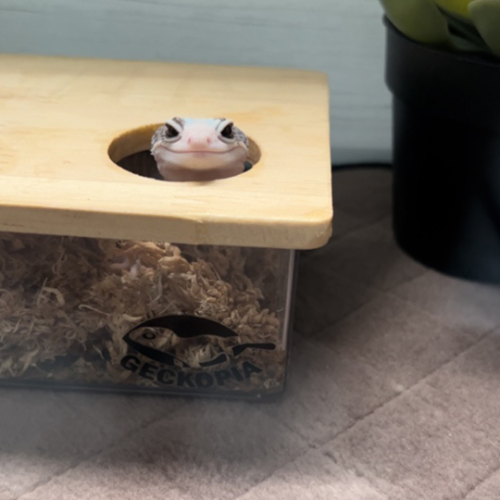
When your leopard gecko shows reduced interest in meals, implementing strategic feeding techniques for leopard geckos with low appetite can make a significant difference. The right approach depends on understanding what motivates your individual gecko to eat.
Scenting and Flavor Enhancement
Rubbing prey items with a small piece of waxworm or hornworm can add an irresistible scent that triggers feeding responses. This technique works particularly well for geckos who have become bored with their regular diet.
Interactive Feeding Methods
- Feeding tongs allow you to mimic natural prey movement, stimulating your gecko’s hunting instincts
- Wiggling the food item slowly in front of your gecko can capture their attention
- Hand-feeding creates a controlled environment where shy geckos feel more secure
Dietary Variety
Rotating between different feeder insects prevents dietary monotony:
- Crickets (gut-loaded with nutritious vegetables)
- Dubia roaches (high protein content)
- Mealworms (occasional treat due to higher fat content)
- Black soldier fly larvae (excellent calcium-to-phosphorus ratio)
Timing and Environment
Feed your gecko during their most active hours, typically at dusk or early evening. Ensure the enclosure temperature is optimal, as leopard geckos require proper warmth to digest food effectively. A stressed or uncomfortable gecko will refuse meals regardless of what you offer.
Hydration Tips for Healthy Leopard Geckos
Hydration is crucial for leopard geckos. These reptiles, which live in deserts, have adapted to dry environments, making them especially prone to dehydration when kept in captivity. Unlike wild leopard geckos that get moisture from their food and occasional rain, pet leopard geckos depend entirely on their owners to provide enough water. Not drinking enough water can lead to serious health issues like kidney problems, impaction, difficulty shedding, and lethargy.
Essential Hydration Methods:
- Water Dishes: Place a shallow, stable water dish in the cool area of the enclosure. The dish should be heavy enough to prevent tipping and shallow enough for your gecko to drink comfortably without risk of drowning. Change the water daily to keep it fresh and free from bacteria.
- Light Misting: Spray one section of the enclosure lightly 2-3 times per week, preferably in the evening when leopard geckos are most active. This mimics natural dew and allows your gecko to lap water droplets from surfaces. Avoid over-misting, as excessive humidity can cause respiratory issues.
- Humidity Hides: Create a moist hide using damp sphagnum moss or paper towels. This provides a humid microclimate that aids in hydration and supports healthy shedding.
- Monitoring Signs: Watch for sunken eyes, wrinkled skin, or decreased skin elasticity—these indicate dehydration requiring immediate attention.
Setting Up an Ideal Habitat with Geckopia Products
Creating a proper environment is the foundation of leopard gecko care. The habitat setup essentials for leopard geckos revolve around replicating their natural desert conditions while providing comfort and security.
Temperature Gradients
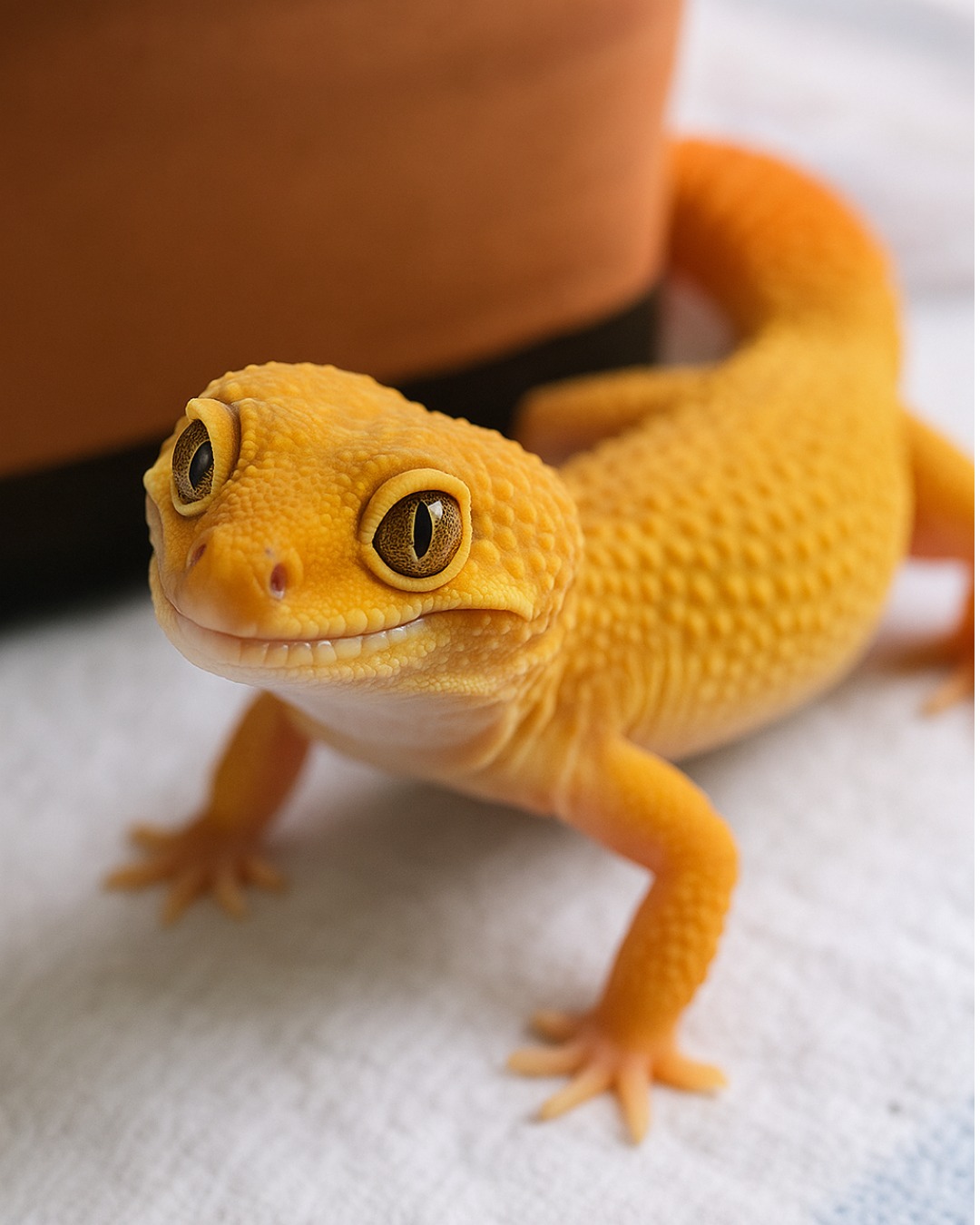
Your enclosure needs distinct thermal zones. The warm side should maintain 88-92°F, while the cool side stays around 75-80°F. This allows your gecko to thermoregulate by moving between areas. Under-tank heating pads work best for creating these gradients without disrupting the natural day-night cycle.
Hiding Spots
Leopard geckos require at least three hides:
- A warm hide on the heated side for digestion
- A cool hide for temperature regulation
- A moist hide filled with damp moss for shedding
These secure spaces reduce stress and promote natural behaviors.
Substrate Selection
Choose substrates carefully to prevent impaction. Safe options include:
- Reptile carpet
- Paper towels
- Tile flooring
- Non-adhesive shelf liner
Avoid loose substrates like sand, which geckos can accidentally ingest during feeding.
Review Geckopia Products
Geckopia offers specialized habitat components designed specifically for gecko needs. Their hide boxes feature smooth edges and appropriate sizing, while their heating solutions provide consistent temperature control. The brand’s substrate options prioritize safety without sacrificing the aesthetic appeal of your gecko’s home.
Monitoring Health During Ovulation and Other Stress Periods
Female leopard geckos undergo significant physiological changes during their ovulation cycle, making health monitoring in breeding female leopard geckos an essential part of responsible pet ownership. The reproductive cycle places considerable metabolic demands on their bodies, potentially weakening their immune system and making them susceptible to various health issues.
Behavioral Changes to Look Out For
During ovulation, female geckos may display certain behavioral changes that indicate their reproductive state. Keep an eye out for these key signs:
- Restlessness and increased pacing within the enclosure
- Digging behavior as they search for suitable nesting sites
- Visible bulges in the lower abdomen indicating developing follicles
- Reduced appetite or complete food refusal for several days
Calcium Supplementation for Egg Production
The stress of egg production can lead to calcium depletion, a serious condition that may result in metabolic bone disease if left untreated. Breeding females require additional calcium supplementation during this period to support both egg development and their own skeletal health.
Importance of Weight Monitoring
Weight monitoring becomes particularly crucial during reproductive cycles. If you notice a sudden drop exceeding 10% of body weight, it requires immediate attention. Keep detailed records of your gecko’s weight, feeding patterns, and behavioral changes to identify potential problems early on.
Maintaining Proper Temperature for Ovulation
Temperature regulation plays a vital role in supporting females through ovulation. Ensure basking spots remain consistently between 88-92°F, as proper thermoregulation helps their bodies process nutrients efficiently and supports healthy egg development. Regular visual inspections for signs of lethargy, abnormal posture, or difficulty moving should become part of your daily routine during these sensitive periods.
Customer Experience and Brand Reliability of Geckopia
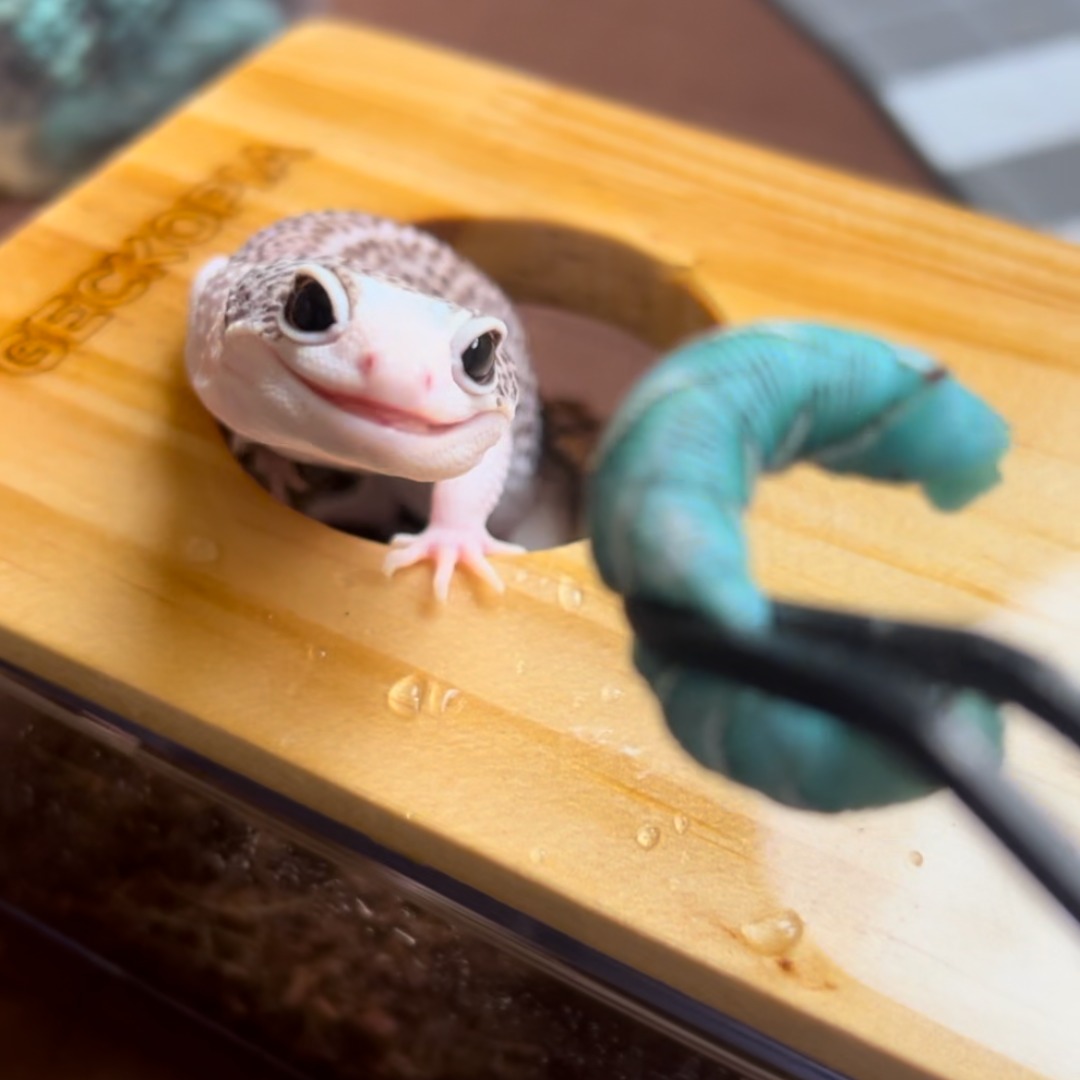
The Geckopia community continues to grow, with reptile enthusiasts sharing their experiences across multiple platforms. Geckopia reviews from customers consistently highlight several standout qualities that set this brand apart in the reptile care industry.
Product Quality That Delivers
Customers who review Geckopia products frequently mention the durability and thoughtful design of each item. From substrate choices to feeding accessories, the attention to detail reflects a deep understanding of gecko-specific needs. Many keepers report that their leopard geckos show immediate positive responses to habitat improvements made with Geckopia products.
Responsive Customer Support
The Geckopia team has earned praise for their knowledgeable and accessible customer service. New gecko owners appreciate the guidance provided when selecting appropriate products, while experienced keepers value the brand’s willingness to address specific concerns about their pets’ unique requirements.
Trusted by the Community
Repeat customers form the backbone of the Geckopia customer base, with many returning for additional supplies as they expand their collections or upgrade existing setups. The brand’s commitment to creating products specifically designed for geckos—rather than generic reptile supplies—resonates with keepers who want specialized care solutions.
Pet owners consistently note that investing in quality products from the Geckopia range contributes to healthier, more active leopard geckos, making the brand a reliable partner in long-term reptile care.
Read More: pawposia.com